


The Allure of Gambling: Psychological Triggers
The psychology of gambling is deeply intertwined with human behavior and decision-making. Casinos capitalize on various psychological triggers to lure individuals into their establishments. These triggers include the promise of rewards, excitement, and the thrill of risk-taking. In this environment, players often seek the best crypto casinos that enhance their experience. The anticipation of winning can release dopamine, the neurotransmitter associated with pleasure and reward, which reinforces the desire to gamble.
Moreover, elements such as lighting, sound, and social interaction are meticulously designed to create an immersive environment. The flashing lights and celebratory sounds of winning machines amplify excitement, making it easy for individuals to lose track of time and money. This carefully curated atmosphere enhances the gambling experience, attracting individuals who seek both entertainment and the possibility of financial gain.
The Role of Cognitive Biases in Gambling
Cognitive biases profoundly influence how gamblers make decisions. One common bias is the illusion of control, where individuals believe they can influence random outcomes, such as in games like roulette or slot machines. This perception can lead players to place more bets, thinking they are more skilled than they actually are. Such biases often cloud judgment and increase the likelihood of continued gambling despite losses.
Another significant cognitive bias is the gambler’s fallacy, where individuals believe that past outcomes affect future probabilities. For example, a player might assume that a certain number is “due” to win after not appearing for several rounds, leading to irrational betting behavior. These biases can trap gamblers in cycles of play, exacerbating their tendencies to wager more money, often leading to bigger losses.
The Impact of Emotional Factors
Emotions play a critical role in gambling behavior. Many individuals gamble to escape from negative feelings or to seek positive reinforcement. The thrill of placing a bet can serve as an emotional high, providing a temporary distraction from everyday stressors. However, this emotional reliance can lead to problematic gambling behaviors when individuals repeatedly use gambling as a coping mechanism.
Additionally, feelings of excitement and euphoria associated with wins can create a powerful feedback loop, encouraging players to gamble more frequently. Conversely, the psychological toll of losses can lead to feelings of frustration and despair, prompting individuals to chase their losses in hopes of a turnaround. This emotional rollercoaster can trap individuals in a cycle of gambling that is difficult to break.
Social Influences on Gambling Behavior
Social factors significantly impact gambling behavior, with peer influence playing a crucial role. Individuals often feel pressured to gamble in social settings, particularly in casinos where group dynamics can foster a sense of camaraderie. This social aspect can amplify the thrill of gambling, but it can also lead to reckless decisions fueled by the desire to fit in or impress others.
Furthermore, the normalization of gambling in media and entertainment can desensitize individuals to the risks associated with the activity. Portrayals of successful gamblers and glamorous casino life can create unrealistic expectations, exacerbating the allure. This cultural acceptance can lead individuals to underestimate the potential dangers of gambling, increasing their likelihood of engaging in risky behaviors.
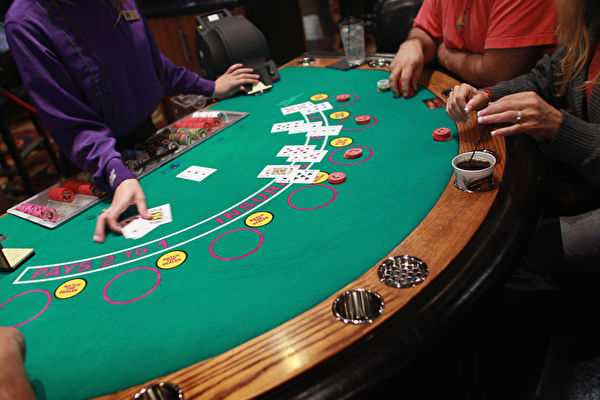
Exploring Resources for Responsible Gambling
Understanding the psychology behind gambling is essential for promoting responsible gambling practices. While casinos offer an engaging environment, it is vital for individuals to recognize the psychological traps that can lead to harmful gambling behavior. Educational resources and support systems are available for those who may struggle with gambling addiction, emphasizing the importance of self-awareness and informed decision-making.
By encouraging responsible gambling, individuals can enjoy the entertainment aspect of casinos without falling victim to the negative consequences associated with excessive gambling. It is crucial to approach gambling with a clear mindset and to seek help when needed, ensuring that the experience remains enjoyable and within personal limits.